.png)
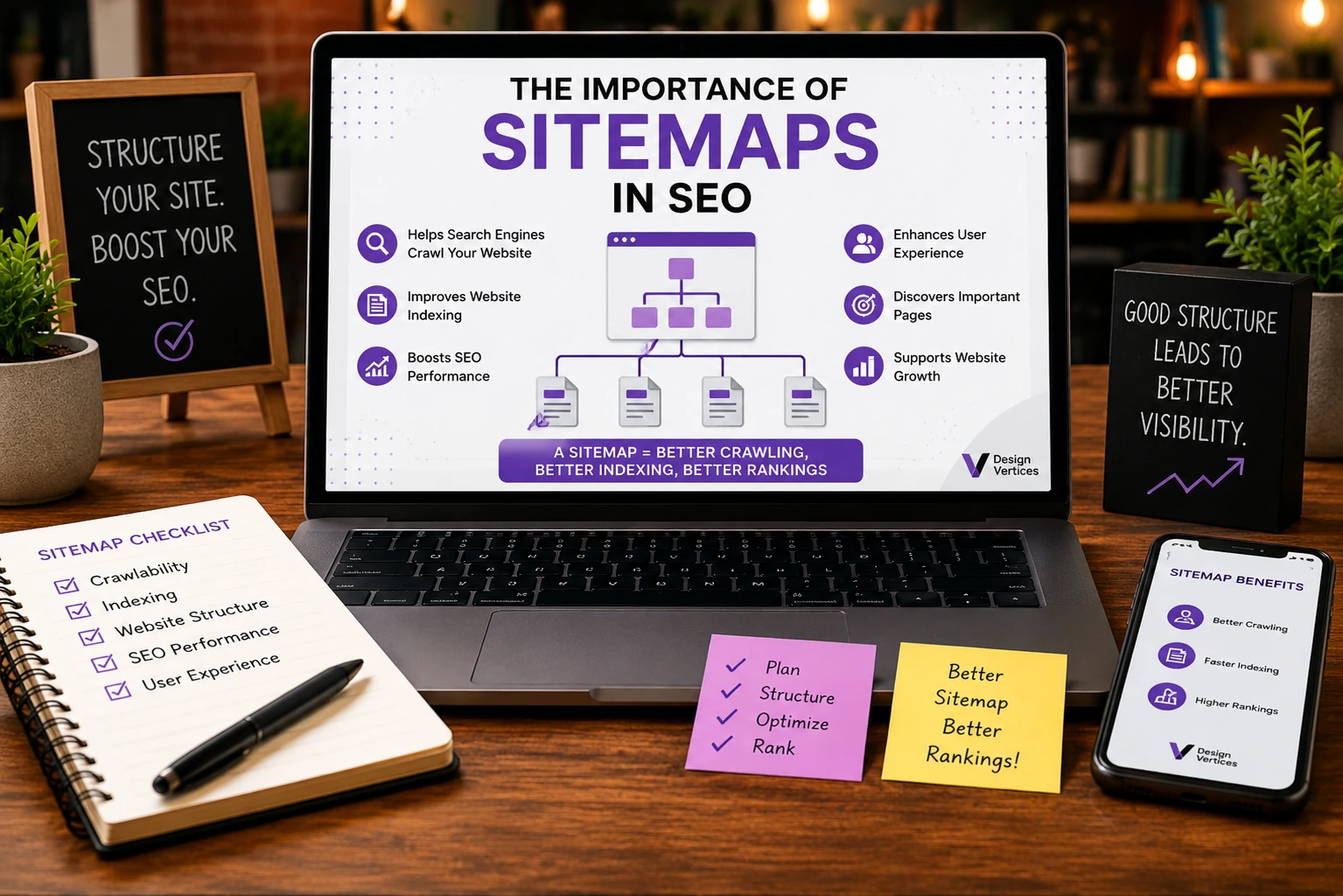
Search engines discover billions of web pages every day, but they don’t always find every page on a website automatically. This is especially true for large websites, ecommerce stores, newly launched sites, and websites with complex structures.
A sitemap acts as a roadmap for search engines, helping them understand your website structure and discover important pages more efficiently. While a sitemap alone won’t guarantee higher rankings, it plays a critical role in helping search engines crawl and index your content properly.
Many businesses working with the best SEO agency in USA discover that one of the first technical improvements recommended is creating and maintaining an accurate XML sitemap.
In this guide, we’ll explain the importance of sitemaps, how they work, whether they impact rankings, and how to use them effectively as part of a broader SEO strategy.
What Is a Sitemap?
A sitemap is a file that provides search engines with information about the pages, content, videos, images, and other resources available on a website.
Think of it as a directory that tells search engines:
- Which pages exist
- Which pages are important
- When pages were updated
- How content is organized
Sitemaps help search engines discover content more efficiently, especially on websites with large numbers of pages.
Types of Sitemaps
There are several types of sitemaps used for different purposes.
XML Sitemap
The most common sitemap used for SEO.
XML sitemaps are specifically designed for search engines and help them crawl and index pages.
HTML Sitemap
Created primarily for website visitors.
HTML sitemaps help users navigate a website and find content.
Image Sitemap
Helps search engines discover and index images.
Video Sitemap
Provides information about video content hosted on a website.
News Sitemap
Used by publishers to help search engines discover news content quickly.
Why Sitemaps Matter for SEO
The primary purpose of a sitemap is improving content discovery.
Search engines use many methods to find content, but sitemaps provide direct guidance.
Benefits include:
- Faster content discovery
- Improved crawl efficiency
- Better indexing
- Support for large websites
- Easier identification of important pages
This is why the importance of sitemaps continues to be emphasized in modern SEO.
How Search Engines Use Sitemaps
When a sitemap is submitted through Google Search Console, search engines use it as a reference point.
The sitemap helps search engines:
Discover New Pages
Especially useful for recently published content.
Identify Updated Content
Sitemaps can indicate when pages have been modified.
Understand Site Structure
Search engines gain a clearer view of website organization.
Improve Crawl Prioritization
Important pages can be discovered more efficiently.
Although search engines may still crawl pages independently, sitemaps improve the process significantly.
Does sitemap affect SEO?
The answer is yes, but indirectly.
A sitemap does not directly improve rankings.
However, it can support SEO by helping search engines:
- Discover content faster
- Crawl websites more efficiently
- Index important pages
- Identify updated content
Pages that are not properly indexed cannot rank, regardless of content quality.
This makes sitemaps an important technical SEO asset.
Websites That Benefit Most from Sitemaps
While every website should have a sitemap, some websites benefit more than others.
Large Websites
Sites with hundreds or thousands of pages often rely heavily on XML sitemaps.
Ecommerce Stores
Product pages are frequently added, updated, or removed.
Sitemaps help search engines stay informed.
New Websites
New websites often have limited backlinks and may struggle with content discovery.
Websites with Deep Architecture
Pages located several clicks away from the homepage can be difficult for search engines to find.
Content-Rich Blogs
Large publishing websites regularly update content and benefit from sitemap updates.
What Happens If a Website Doesn’t Have a Sitemap?
Search engines can still discover pages without a sitemap.
However, several challenges may occur:
- Slower indexing
- Missed pages
- Crawl inefficiencies
- Delayed content discovery
- Reduced visibility for new content
A sitemap helps reduce these issues and improves communication between your website and search engines.
XML Sitemap Best Practices
Creating a sitemap is only the first step.
Proper maintenance is equally important.
Include Important Pages
Only include pages that should be indexed.
Remove Broken URLs
Sitemaps should not contain:
- 404 pages
- Redirect chains
- Removed pages
Update Regularly
New content should be reflected in the sitemap.
Submit Through Search Console
Submitting a sitemap helps search engines discover it more quickly.
Keep Sitemap Clean
Avoid including low-value or duplicate pages.
Common Sitemap Mistakes
Many websites have sitemap issues that limit effectiveness.
Including Noindex Pages
Pages blocked from indexing should not appear in a sitemap.
Broken URLs
Search engines may waste crawl resources.
Duplicate URLs
Duplicate entries can create confusion.
Outdated Sitemaps
Failure to update sitemaps can reduce their usefulness.
Missing Important Pages
Critical content should always be included.
How Sitemaps Support Technical SEO
Sitemaps are one component of a broader technical SEO strategy.
Many of the concepts discussed in our guide on technical SEO explained work together with sitemaps to improve crawling and indexing.
Technical SEO focuses on helping search engines access, understand, and process website content effectively.
Without proper technical foundations, even excellent content can struggle to perform.
Sitemaps and Local SEO
Local businesses also benefit from proper sitemap management.
A sitemap helps search engines discover pages related to:
- Services
- Locations
- Contact information
- Business resources
When combined with strategies discussed in our local SEO for small business guide, sitemaps can contribute to stronger local search visibility.
Sitemaps and Google Business Profile Optimization
Businesses often focus heavily on local listings while overlooking website infrastructure.
An optimized website supports local search efforts and complements strategies covered in our guide to GBP optimization.
When search engines can easily crawl and index your location pages, your overall local presence becomes stronger.
How Search Operators Can Help Identify Indexing Issues
SEO professionals often use advanced search techniques to evaluate indexed pages.
The strategies discussed in google search operators can help identify pages that appear in Google’s index and uncover potential sitemap-related issues.
This makes search operators a useful auditing tool for ongoing website maintenance.
How Sitemaps Fit Into a Complete SEO Strategy
Sitemaps alone do not drive rankings.
Successful SEO also requires:
- Quality content
- Technical optimization
- Internal linking
- User experience improvements
- Authority building
If you’re new to search optimization, our complete guide on SEO explains how all of these elements work together.
Likewise, understanding what is SEO helps business owners see where technical assets such as sitemaps fit into the bigger picture.
Why Businesses Often Overlook Sitemaps
Many website owners focus on visible SEO activities such as content creation and keyword targeting.
While those elements are important, technical foundations often determine whether search engines can properly discover and index content.
Sitemaps may not be exciting, but they play an important role in ensuring your website’s content has the opportunity to rank.
Why Businesses Choose Design Vertices
At Design Vertices, we help businesses improve search visibility through a combination of technical SEO, content strategy, local optimization, and website performance improvements.
Our team regularly audits sitemap structures, indexing issues, crawlability challenges, and technical SEO factors that can impact organic growth.
By addressing both technical and content-related issues, we help businesses create stronger foundations for long-term search visibility.
What Makes Businesses Trust Design Vertices?
Thousands of businesses invest in SEO services every year, but choosing the right partner matters.
At Design Vertices, we focus on transparency, communication, and measurable growth strategies designed around each client’s goals.
Our client feedback across trusted review platforms reflects our commitment to delivering real results and professional service.
You can learn more about our client experiences on Trustpilot, Reviews.io, and Clutch, where businesses share their experiences working with our team.
Final Thoughts
Understanding the importance of sitemaps is essential for anyone serious about SEO.
A sitemap helps search engines discover, crawl, and index content more efficiently, making it easier for your website pages to appear in search results.
While a sitemap will not automatically improve rankings, it supports many of the technical processes that contribute to SEO success.
Combined with strong content, technical optimization, and a well-structured website, a properly maintained sitemap can help ensure your most important pages receive the visibility they deserve.
FAQs
What is a sitemap?
A sitemap is a file that provides search engines with information about the pages and content available on a website.
Why are sitemaps important for SEO?
Sitemaps help search engines discover, crawl, and index website content more efficiently.
Does sitemap affect SEO?
Yes. While it does not directly improve rankings, a sitemap supports crawling and indexing, which are important for SEO performance.
Should every website have a sitemap?
Yes. Sitemaps help search engines understand website structure and discover content more effectively.
Where should I submit my sitemap?
Most website owners submit XML sitemaps through Google Search Console and Bing Webmaster Tools.
How often should a sitemap be updated?
A sitemap should be updated whenever significant content changes occur, including new pages, deleted pages, or major content revisions.google search operators
