.png)
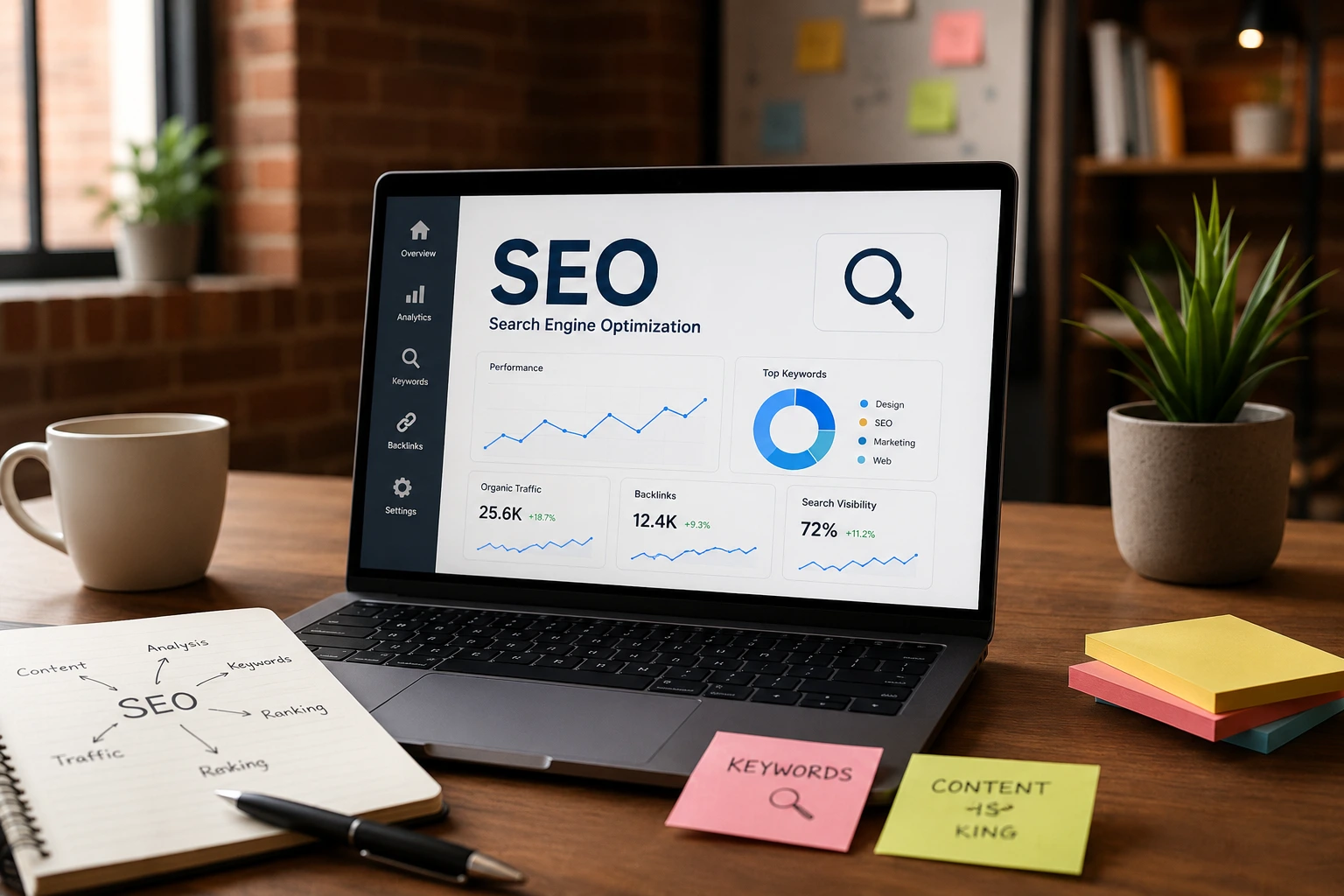
Search engine optimization has become one of the most important digital marketing strategies for businesses looking to increase visibility, attract qualified traffic, and generate long-term growth online. Whether you run a local business, ecommerce store, startup, or enterprise website, SEO helps your brand appear in front of people actively searching for your products or services.
This complete guide to search engine optimization explains how SEO works, why it matters, and how businesses can improve their rankings using proven strategies and modern optimization techniques.
For companies investing in SEO in the USA, understanding the fundamentals of search optimization is essential for competing in increasingly crowded digital markets.
What Is Search Engine Optimization?
Search engine optimization, commonly known as SEO, is the process of improving a website’s visibility in search engines like Google, Bing, and Yahoo.
The goal of SEO is to:
- Increase organic traffic
- Improve keyword rankings
- Enhance website authority
- Generate qualified leads
- Improve user experience
- Increase online conversions
SEO involves optimizing different areas of a website so search engines can better understand, index, and rank content for relevant searches.
Why SEO Matters for Businesses
Modern consumers rely heavily on search engines to discover information, products, and services. Businesses that fail to optimize their online presence often lose potential customers to competitors appearing higher in search results.
Benefits of SEO
Long-Term Organic Traffic
Unlike paid advertising, SEO continues generating traffic over time without ongoing ad spend for every click.
Higher Brand Credibility
Users often trust websites ranking on the first page of Google more than businesses with limited online visibility.
Better User Experience
SEO improvements often enhance website speed, navigation, mobile responsiveness, and overall usability.
Improved Conversion Rates
Targeting relevant search intent helps attract visitors more likely to convert into customers.
Competitive Advantage
Businesses with strong SEO strategies typically outperform competitors in organic visibility and lead generation.
How Search Engines Work
To understand SEO properly, it’s important to know how search engines operate.
Search engines generally follow three major processes:
Crawling
Search engine bots scan websites and discover new pages through links and sitemaps.
Indexing
Once crawled, pages are stored in the search engine’s database for future ranking consideration.
Ranking
Google’s algorithms analyze hundreds of ranking factors to determine which pages should appear for specific searches.
These factors include:
- Content relevance
- Website authority
- User experience
- Mobile usability
- Backlink quality
- Page speed
- Keyword optimization
Beginner’s Guide to SEO Fundamentals
A proper Beginner’s Guide to SEO should start with the core pillars of optimization.
The Three Main Types of SEO
On-Page SEO
On-page SEO focuses on optimizing content and website elements directly on a webpage.
Important On-Page SEO Factors
Keyword Optimization
Using target keywords naturally throughout headings, paragraphs, URLs, and metadata helps search engines understand content topics.
Title Tags and Meta Descriptions
Well-optimized titles and descriptions improve click-through rates from search results.
Header Structure
Using H1, H2, and H3 tags properly improves readability and topical organization.
Internal Linking
Connecting related pages helps distribute authority and improve navigation.
Content Quality
Helpful, original, and semantically rich content performs better in modern search algorithms.
Technical SEO
Technical SEO focuses on backend website performance and crawlability.
Important Technical SEO Elements
Website Speed
Fast-loading websites improve both rankings and user experience.
Mobile Optimization
Google primarily uses mobile-first indexing, making responsive design essential.
Secure HTTPS Connection
Website security is an important trust and ranking signal.
XML Sitemaps
Sitemaps help search engines discover important pages more efficiently.
Structured Data
Schema markup helps search engines better understand website content.
Off-Page SEO
Off-page SEO involves building authority and trust outside your website.
Key Off-Page SEO Strategies
Link Building
Backlinks from authoritative websites remain one of Google’s strongest ranking signals.
Brand Mentions
Online mentions improve visibility and brand recognition.
Content Marketing
Publishing valuable content increases sharing opportunities and natural backlinks.
Social Signals
While not direct ranking factors, social engagement can increase visibility and traffic.
Keyword Research: The Foundation of SEO
Keyword research helps businesses understand what users search for online.
Strong keyword research identifies:
- Search volume
- User intent
- Competition levels
- Ranking opportunities
- Long-tail keywords
Types of Keywords
Informational Keywords
Users seeking information or education.
Example:
- What is SEO?
- How does SEO work?
Transactional Keywords
Users ready to purchase or hire services.
Example:
- SEO agency near me
- SEO services USA
Navigational Keywords
Users searching for specific brands or websites.
Search Engine Optimization Techniques That Actually Work
Successful SEO strategies combine technical optimization with high-quality content and authority building.
Here are some proven search engine optimization techniques businesses should focus on.
Create High-Quality Content
Google prioritizes helpful content that satisfies search intent.
Strong SEO content should:
- Answer user questions clearly
- Include semantic keywords naturally
- Be easy to read
- Provide accurate information
- Demonstrate expertise
Optimize for Search Intent
Matching content to user intent is critical for rankings.
For example:
- Informational blogs target educational searches
- Service pages target commercial searches
- Product pages target transactional searches
Improve Website Speed
Slow websites increase bounce rates and reduce conversions.
Optimization techniques include:
- Image compression
- Code minimization
- Faster hosting
- Browser caching
Build Authoritative Backlinks
High-quality backlinks help improve domain authority and search visibility.
Optimize for Mobile Users
Most online searches now happen on mobile devices, making responsive design essential.
Local SEO for Regional Visibility
Local SEO helps businesses appear in geographically targeted searches.
Important Local SEO Strategies
Google Business Profile Optimization
Accurate business information improves local search visibility.
Local Citations
Consistent business listings across directories strengthen trust signals.
Localized Content
Creating region-specific pages and blogs helps attract local audiences.
Online Reviews
Positive customer reviews improve both credibility and rankings.
Common SEO Mistakes to Avoid
Many websites struggle because of avoidable SEO issues.
Keyword Stuffing
Overusing keywords can harm readability and rankings.
Duplicate Content
Copied or repetitive content reduces SEO performance.
Ignoring Technical SEO
Broken pages, slow speed, and crawl errors negatively affect rankings.
Poor Content Structure
Weak heading structures make content harder for both users and search engines to understand.
Low-Quality Backlinks
Spammy backlinks can damage website authority.
How Long Does SEO Take?
SEO is a long-term strategy rather than an instant solution.
Most businesses begin seeing noticeable improvements within:
- 3 to 6 months for moderate competition
- 6 to 12 months for competitive industries
Results depend on:
- Competition
- Website age
- Content quality
- Backlink profile
- Technical optimization
- SEO consistency
The Future of SEO
Search engine optimization continues evolving rapidly with advances in AI and search algorithms.
Modern SEO now focuses heavily on:
- User intent
- Helpful content
- EEAT signals
- Semantic search
- Voice search optimization
- AI-driven search experiences
Businesses that focus on quality, authority, and user experience are more likely to maintain long-term visibility.
Why Businesses Choose Professional SEO Services
While learning SEO independently is possible, many businesses work with professionals to accelerate growth and avoid costly mistakes.
At Design Vertices, we help businesses build stronger digital visibility through strategic SEO solutions focused on long-term organic growth, technical optimization, content strategy, and conversion-focused search performance.
Our approach combines:
- Semantic SEO
- Technical audits
- Keyword strategy
- Content optimization
- Authority building
- Local SEO solutions
- Performance tracking
Helping brands compete effectively in modern search results.
Final Thoughts
This complete guide to search engine optimization highlights why SEO remains one of the most valuable digital marketing investments for businesses today.
From keyword research and technical optimization to content strategy and authority building, effective SEO requires a combination of expertise, consistency, and long-term planning.
Whether you are just beginning your SEO journey or looking to improve existing performance, focusing on helpful content, strong user experience, and proven optimization techniques can create sustainable online growth over time.
FAQs
What is search engine optimization?
Search engine optimization is the process of improving a website’s visibility in search engines to increase organic traffic and online visibility.
Why is SEO important for businesses?
SEO helps businesses attract targeted traffic, improve brand credibility, and generate long-term leads without relying entirely on paid advertising.
What are the main types of SEO?
The three main types are on-page SEO, technical SEO, and off-page SEO.
How long does SEO take to work?
Most businesses start seeing noticeable SEO improvements within 3 to 6 months depending on competition and optimization quality.
What are the best search engine optimization techniques?
Some of the most effective techniques include high-quality content creation, keyword optimization, technical SEO improvements, mobile optimization, and authoritative backlink building.
Is this complete guide to search engine optimization free?
Yes, this guide provides free foundational SEO knowledge to help beginners and businesses better understand modern search optimization strategies.
